
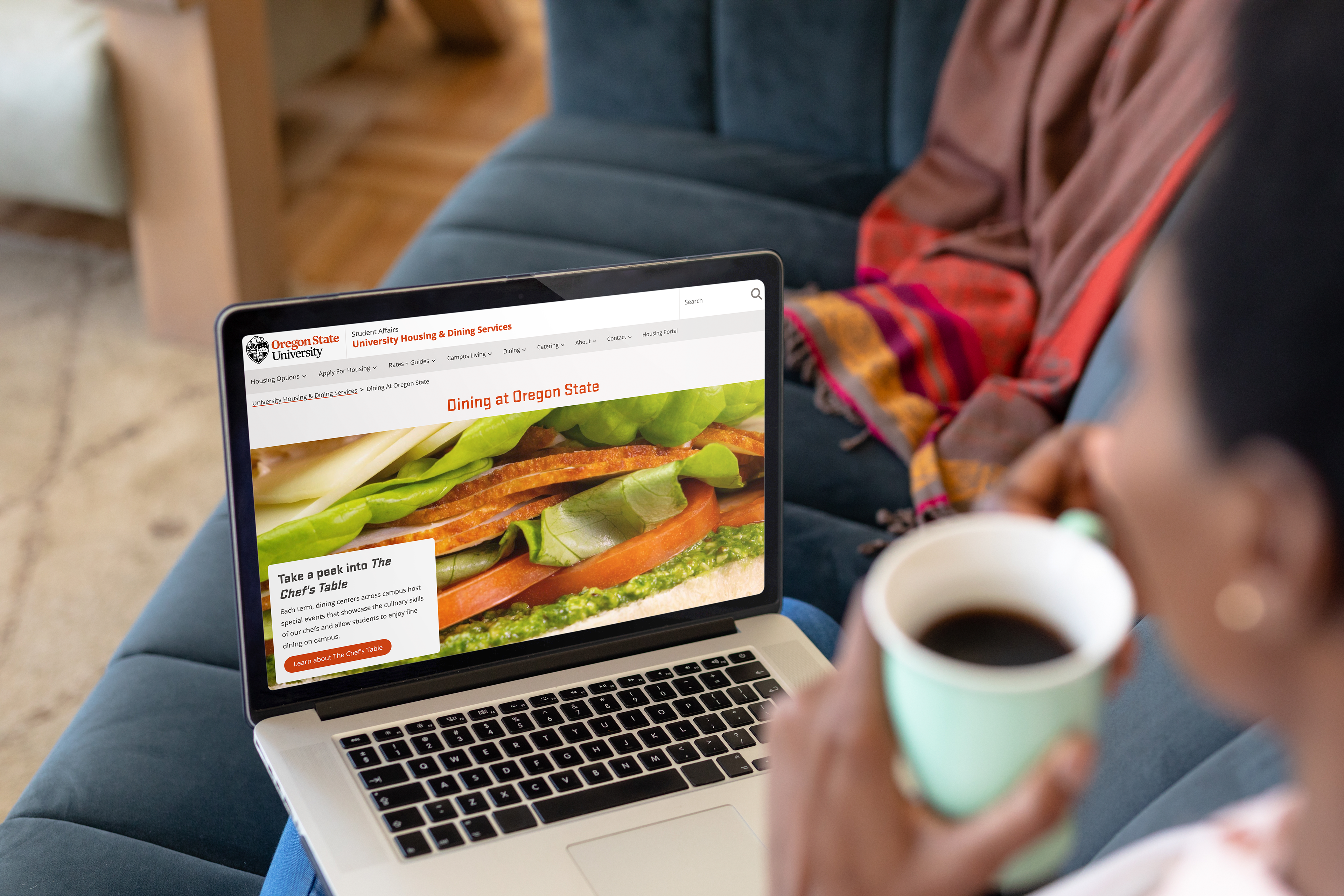
Overview:
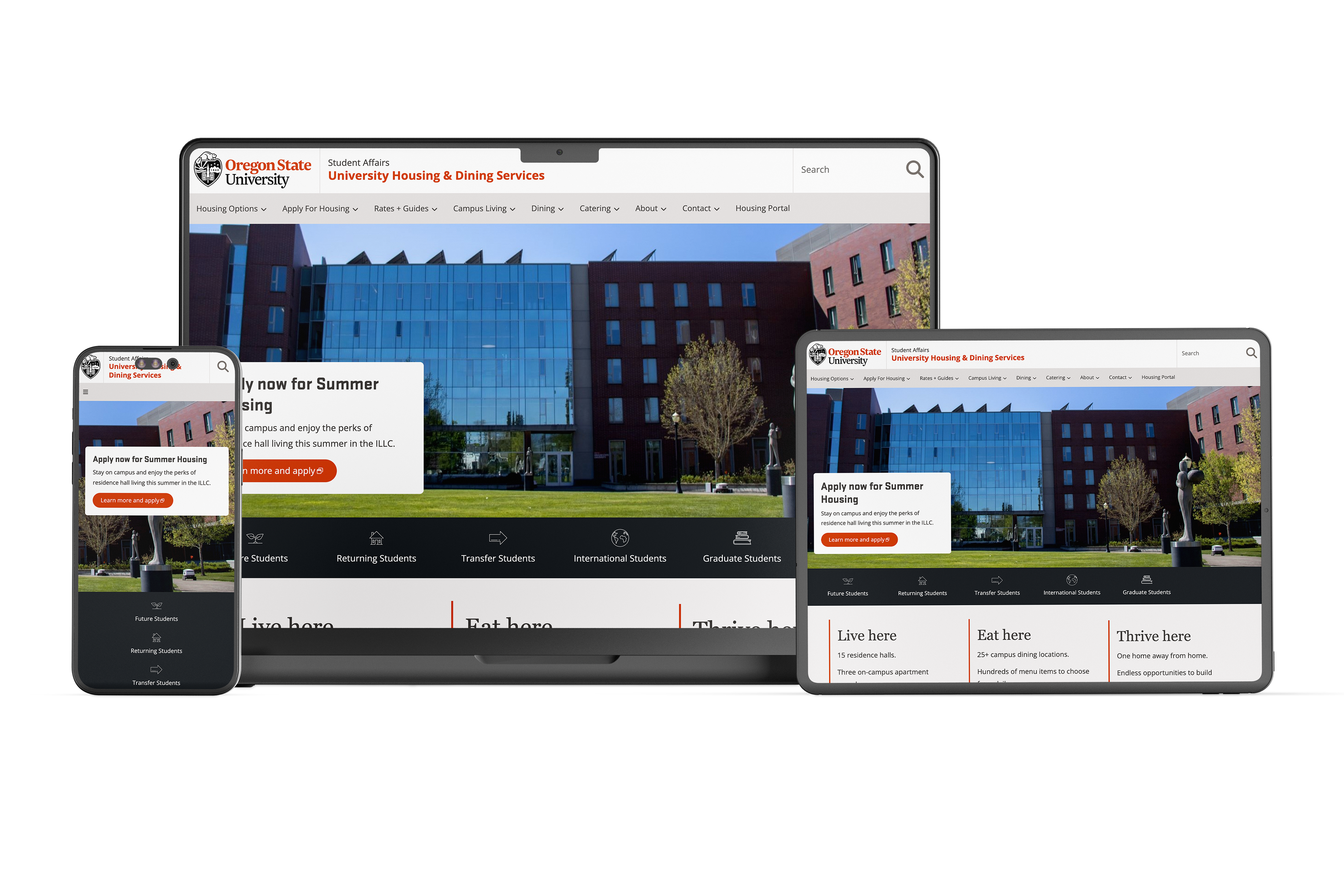
Oregon State's Housing and Dining website served over 10,000 students but had accumulated years of fragmented structure that buried key information under legacy navigation. I redesigned the site's information architecture and hierarchy to make housing and dining decisions faster for incoming students.
Role:
I led UX design solo: user research, sitemap restructuring, wireframing, and stakeholder documentation. A large part of the work was translating design decisions into language that landed with communications managers who had final say on content.
Challenge:
The problem wasn't missing content, as the structure had been built incrementally, so related information ended up in disconnected places. Students hitting the site during application season had no clear path from question to answer.
Process:
Audit & Research:
Audit & Research:
I audited the existing site and mapped the major entry points students used during peak periods: move-in, application deadlines, and meal plan selection. Three structural problems surfaced, such as redundant top-level categories, buried FAQs, and dining information split across four separate sections.
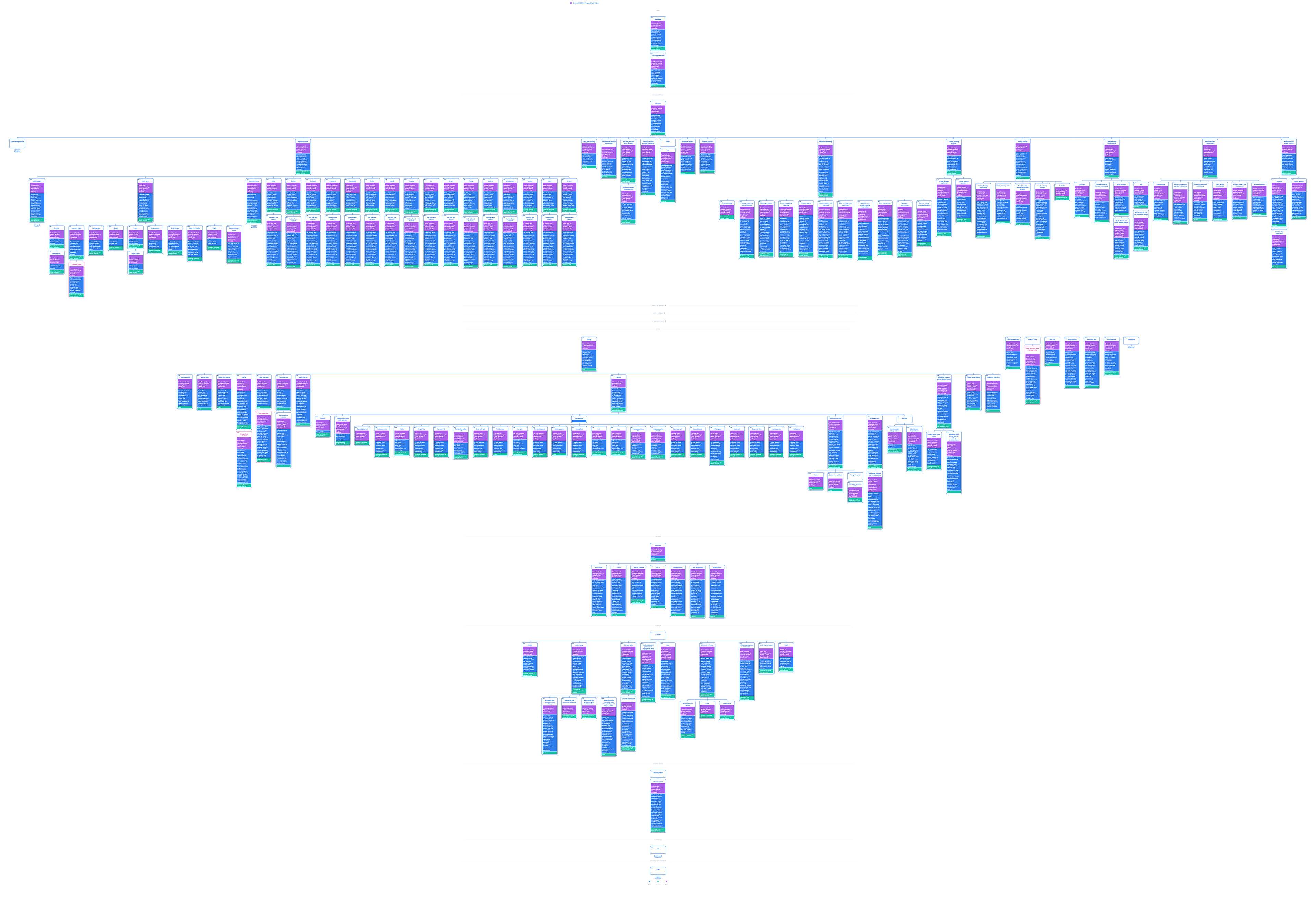
Sitemap Restructuring:
I rebuilt the sitemap around student decision moments rather than departmental ownership. Housing, dining, and move-in resources went under task-based categories, and two redundant top-level nav items were cut. Every structural change was documented with a rationale brief for the communications team.
Wireframes & Hierarchy:
Wireframes prioritized getting time-sensitive information above the fold on key landing pages. I tested multiple header and navigation patterns before landing on a structure that cut the average clicks-to-answer from four to two for the most common student tasks.
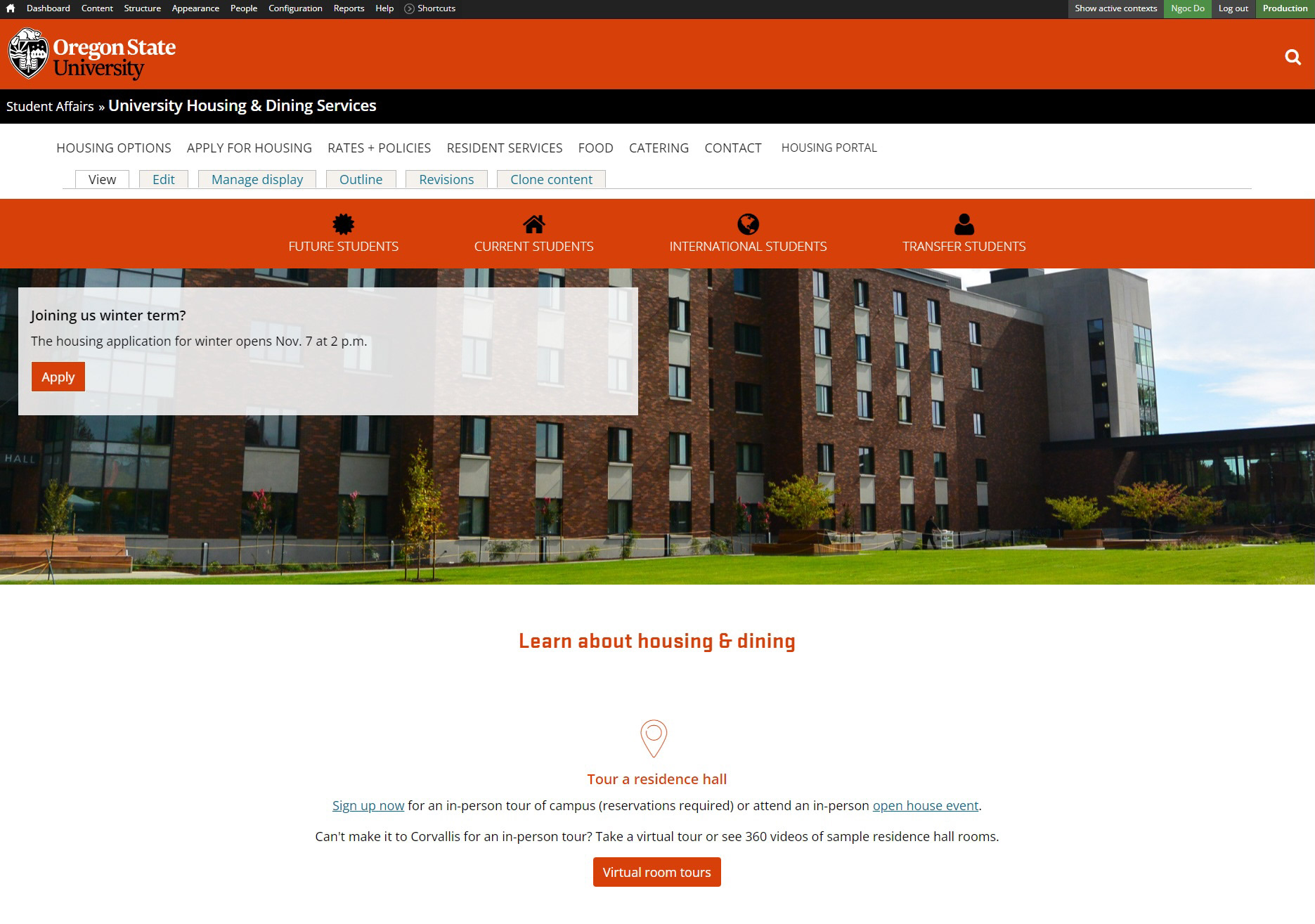
UHDS Homepage (before)
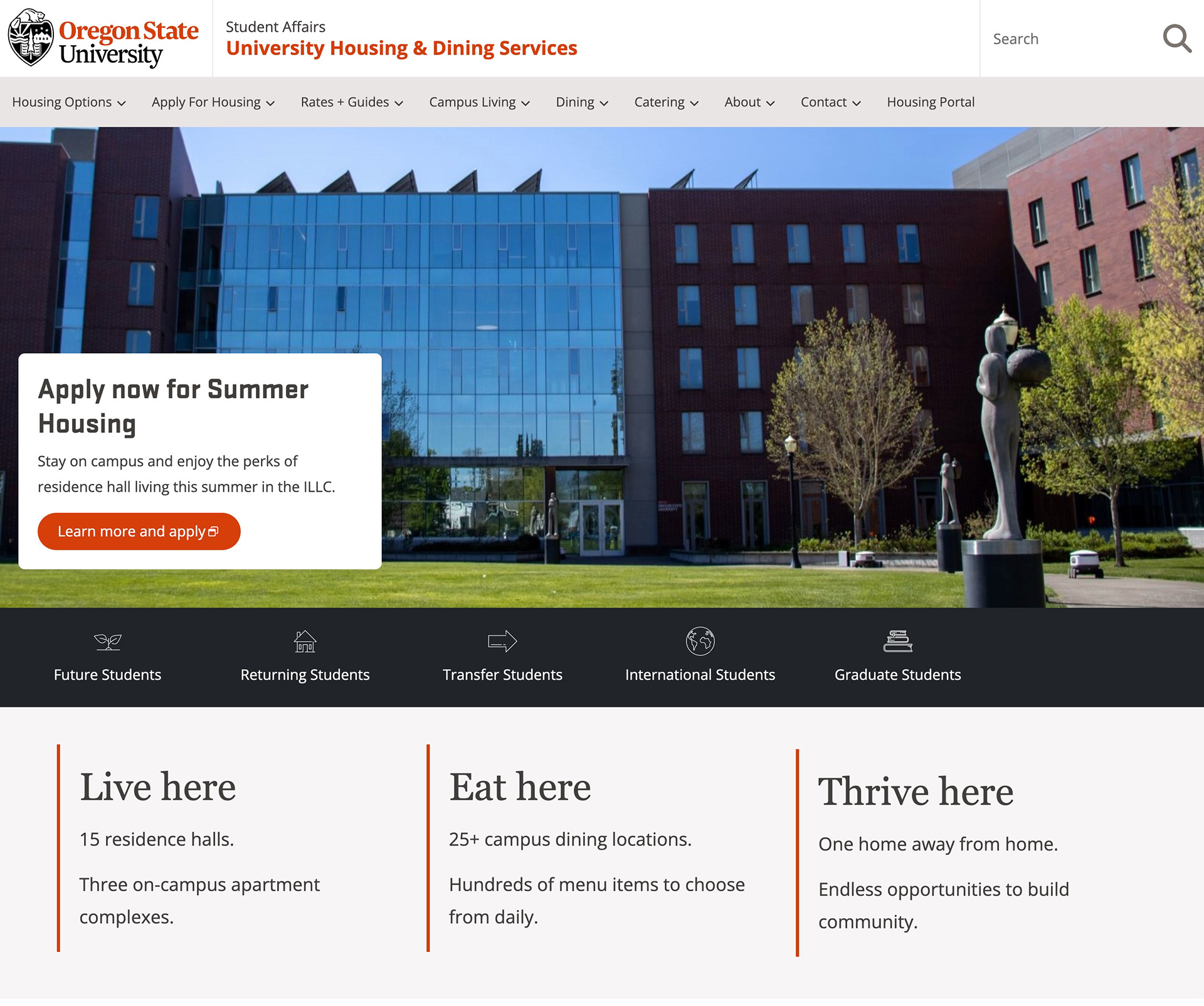
UHDS Homepage (after)
Results:
The redesigned structure reduced navigational depth on high-traffic tasks and gave the communications team an IA rationale they could apply to future content decisions. The project also produced a page template system any content manager could use consistently.
Reflection:
Working inside a bureaucratic stakeholder structure forced me to be precise about what counts as a design decision versus a content decision. I came out of it much better at framing IA choices in terms of user outcomes rather than design preferences.